A bowl of rice, filled spoonful by spoonful, has now begun. The inaugural meeting for the establishment of the 'Korean Canadian Cultural Heritage Museum,'…
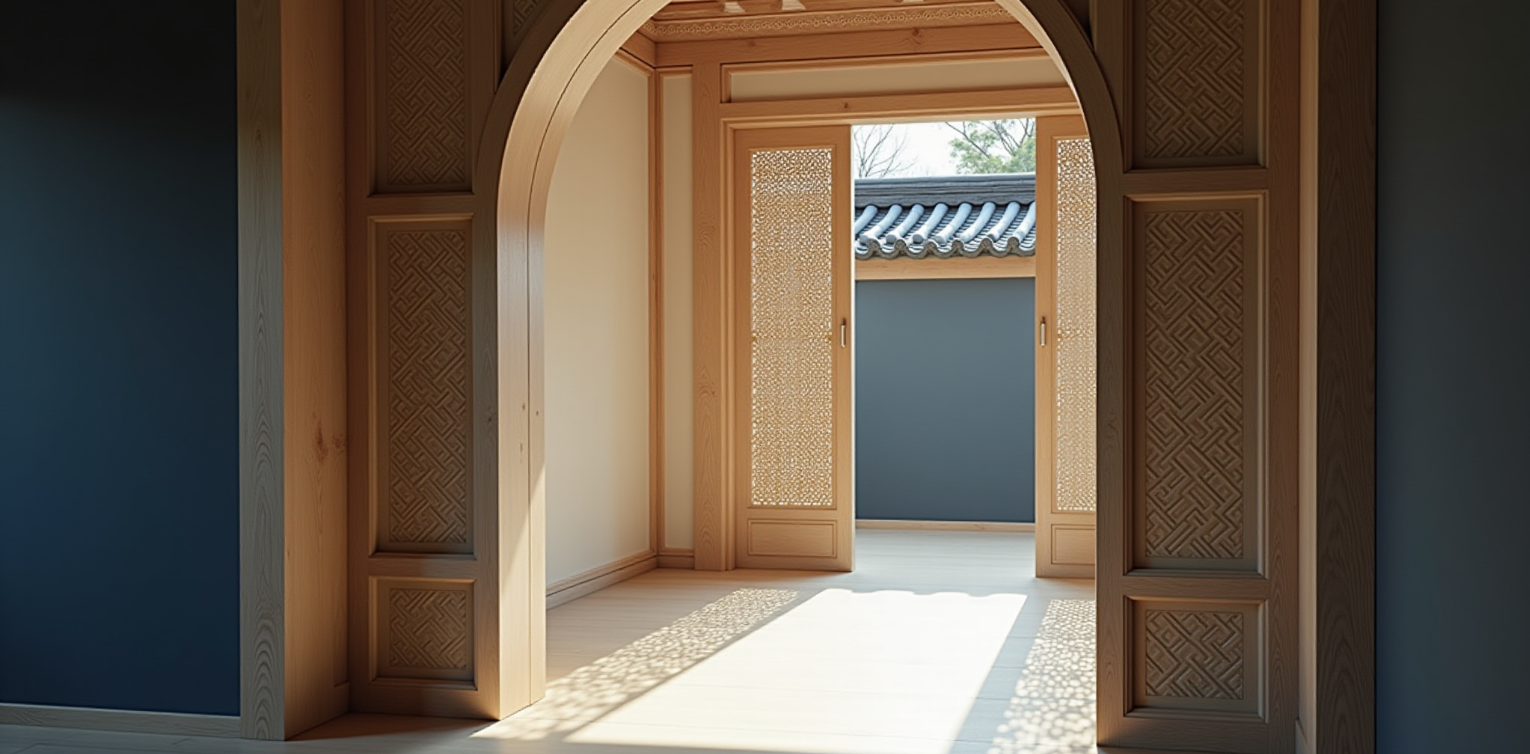
A bowl of rice, filled spoonful by spoonful, has now begun.
The inaugural meeting for the establishment of the 'Korean Canadian Cultural Heritage Museum,' hosted by the Korean Evergreen Senior Citizens' Association (KESSC), gained new momentum following the gathering on June 13. The goal of those gathered at the conference room of Sharon's Credit Union in Coquitlam on that day was simple yet ambitious. It is to pass on the lives, history, and precious cultural heritage of our Korean community to the next generation, while simultaneously promoting the value of Korean culture within Canadian society.
The 50 attendees at the meeting were not mere observers, but participants each playing a specific role. They have all made significant contributions to this project as a whole. The most recent fruit of these efforts is this inaugural meeting for the establishment of the Korean Canadian Heritage Museum, which stands as an extension of the footsteps Korean Canadians have taken over decades.
The event opened with opening remarks by KESSC President Lee Won-bae. Subsequently, a Memorandum of Understanding (MOU) was signed between Vancouver Korean Association President Park Kyung-joon and President Lee Won-bae, with both pledging to do their utmost for the establishment of the Cultural Heritage Museum. This was followed by congratulatory remarks from President Lee Won-bae, Deputy Consul General Jang Young-jae, Korean Association President Park Kyung-joon, Senator Yonah Martin, and BC Assemblyman Paul Choi.
The organizers explained to the attendees where the museum currently stands and where it is headed. This project, which is still closer to a concept than a tangible reality, originated from a proposal by next-generation Korean students and has been refined through approximately two years of research. Attendees were able to view an aerial view of the museum, envisioned as part of a larger Korean community center. However, the organizers stated that the practical groundwork for collecting and preserving the community's records has not yet begun in earnest. Moving forward, they hope the museum will not remain merely an exhibition space, but will become a place that operates educational and cultural programs to help the younger generation of Koreans connect with their heritage, while continuously collecting records of daily life that will become history in the future. Funding is raised through a grassroots method known as "Sipsiilban" (ten spoons each make a bowl of rice). Just as the proverb says that ten people each contribute a spoonful makes a bowl of rice, donors pool their money, even if it is small, and the funds are recorded in their names on the construction fund.
A museum does not require grand treasures to hold meaning. Chairman Lee Won-bae stated that while people commonly believe a museum must contain something magnificent, he holds a different view. "The records and materials that make up a museum are ultimately the accumulation of our daily lives. Every single day we live, every moment of it, becomes history." He added that the difficult part is ensuring that not a single thing is lost.
Some might wonder why the Korean government is co-supporting this fund if the community is filling its own bowls spoonful by spoonful. Deputy Consul General Jang Young-jae provided a clear answer in an interview. "We intend to support and assist them, even though they hold Canadian citizenship. Ultimately, this is because they possess a Korean identity. Furthermore, as they are actively involved in their respective societies, this helps promote Korean culture to the world. The government places great importance on supporting such organizations that preserve the cultural heritage of the Korean people."
The museum remains merely a concept at present. Chairman Lee Won-bae noted that both China and Japan maintain separate museums to commemorate their history and culture, stating that the fact that Korea uniquely lacks such a space feels "even more regrettable and unfortunate." This is precisely why this fundraising effort is of paramount importance. The Korean heritage is gradually fading among the younger generation growing up in Canada, and it is none other than their parents who feel this most acutely. Chairman Lee candidly admitted, "Our children can speak Korean and seem to be doing well here... but sometimes I feel a little disappointed." He cited the example of children who speak Korean but have absolutely no knowledge of the meanings of traditional Korean idioms. The funds raised will be used for cultural programs to bridge this gap, as well as for Korean language schools and cultural heritage events, which can instill a genuine sense of pride and belonging in young Koreans. The younger generation is our future, and for Korean culture to survive in Canada, its roots must remain alive within them. More than any building, preserving that very essence is the true meaning of this project.
Chairman Lee Won-bae stated on this day regarding the construction of the Korean Cultural Museum that it is "a task that takes time," citing the Sagrada Familia in Barcelona, where construction has been ongoing for 144 years, as an example. However, he emphasized that this fact should not cause anyone to hesitate, but rather serve as an impetus to lead the younger generation to take the lead. Because it is such a time-consuming project, Chairman Lee signed a memorandum of understanding with Mr. Park Kyung-jun. He warmly shared that the inspiration and reason for starting this project was none other than for his own grandchild.
Therefore, we must take this question to heart. What will you do for this work? Will you let his efforts end in vain, leaving his steps ultimately unfinished?