A drove view of mud covered properties following a flash flood at Trishuli in Nuwakot district, Nepal, August 26, 2026. Navesh Chitrakar/ReutersCarney calls…
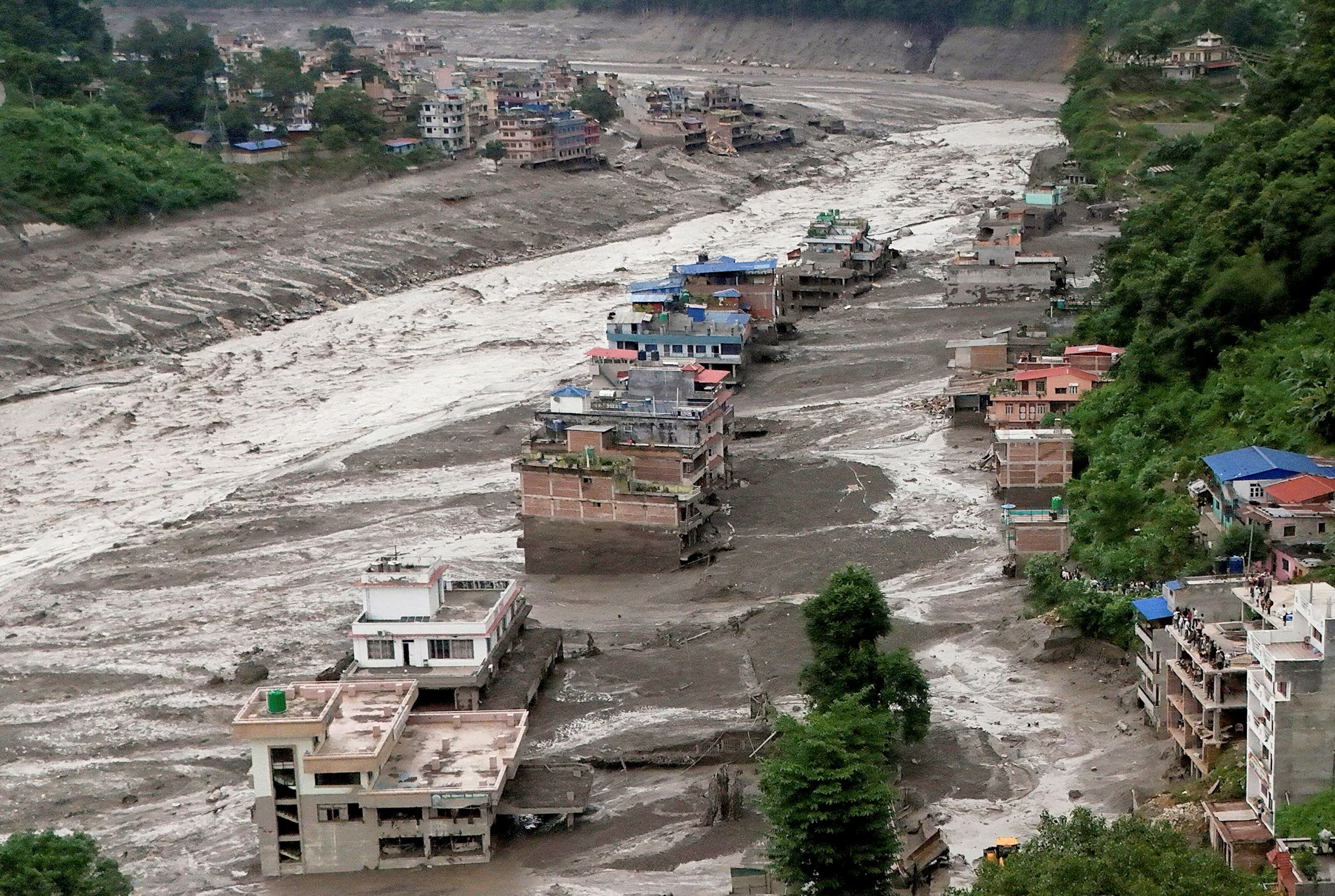
A drove view of mud covered properties following a flash flood at Trishuli in Nuwakot district, Nepal, August 26, 2026. Navesh Chitrakar/Reuters
KATHMANDU, NEPAL - August 27, 2026
A catastrophic flash flood tore through Nepal's Rasuwa district along the border with Tibet on Wednesday, killing at least 150 people and leaving hundreds more missing, including 24 Canadians.
According to Nepal's Tourism Board, roughly 350 foreign nationals remain unaccounted for. India has reported the highest number of missing citizens at 133, largely pilgrims travelling through the region. The United States has 47 nationals missing. Australia and the United Kingdom have each reported more than 30. Canada ranks fifth among affected countries with its 24 missing citizens.
Scientists say the disaster began high in the Himalayas, where a section of glacier broke away and plunged roughly 1,300 metres into the valley below. Glaciologist Simon Cook said the ice fragmented into a churning mix of debris and meltwater as it fell, which then surged downstream along the Trishuli and Bhotekoshi rivers with little warning. Water levels on the Trishuli reportedly rose nine metres in just thirty minutes. Cook noted that no early warning system was in place for the region, meaning any alert would have given residents only minutes to flee.
The flood destroyed 19 bridges and wiped out roughly 40 kilometres of road, according to officials. Video from the area shows entire buildings buried in mud and villages reduced to rubble. The affected area sits near the starting point of several popular Himalayan trekking routes, which experts say helps explain the high number of foreign nationals caught in the disaster.
Nepal's government has appealed to neighbouring India and China for help with search and rescue operations, deploying earthmovers to reach homes buried beneath debris. Officials in Tibet's Gyirong County, on the Chinese side of the border, have separately confirmed several deaths and hundreds of missing residents there.
In Ottawa, Prime Minister Mark Carney called the disaster "absolutely devastating." He said Canadians are "thinking of all those in distress right now, those who have lost a loved one," and urged Canadian citizens currently in Nepal or nearby regions to register with the Registration of Canadians Abroad service without delay. Foreign Affairs Minister Anita Anand said consular officials are actively tracking the situation. "We are monitoring the situation and stand ready to provide assistance as appropriate," Anand said.
The federal government updated its travel advisories for both Nepal and China on Wednesday, warning travellers of severe infrastructure damage and the risk of further mudslides near the border crossing. Global Affairs Canada has not yet confirmed the identities or last known locations of the missing Canadians.
Researchers have pointed to a similar glacial flood in the same region roughly fourteen months ago that killed nine people, calling this week's disaster a sign of accelerating instability in the Himalayas as the climate warms.