Wildfires in British Columbia (BC), Canada have been burning for a month now, consuming more than 2.5 times the forested area of Seoul, while also causing mass…
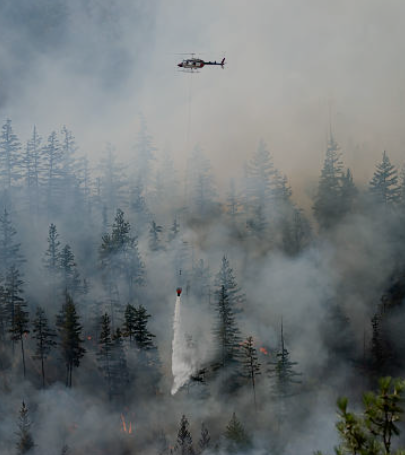
Wildfires in British Columbia (BC), Canada have been burning for a month now, consuming more than 2.5 times the forested area of Seoul, while also causing mass evacuations of residents. According to the BC Wildfire Service, as of August 23, more than 180 wildfires are currently burning in the region. A subtropical weather system brought warmth to the region over the last 24 hours, sparking off more than 7,000 lightning strikes that caused 67 wildfires to break out. However, the same weather system also brought much needed rain to the region, with most of the new fires being labeled as either “being held” or “under control”.
The most devastating of the wildfires is the Bald Range wildfire. It broke out in early August near Summerland and quickly spread out of control, consuming or destroying more than 150 buildings and forcing more than 20,000 residents to evacuate the area. An 80-year-old woman lost her life trying to flee the advancing flames. Another local community in the nearby town of Clinton was also ravaged by the Pear Lake wildfire, which has scorched over 1,600 square kilometers, being the largest conflagration to ever hit the region. It has caused hundreds of structures to be damaged or destroyed and forced large scale evacuations of residents.
On the positive note, several hotspots in the Okanagan region were brought under control over the weekend with Highway 97 already partially re-opening to traffic. However, the smog from the smoke-tinged skies of the region has prompted several air quality warnings to be issued down in Metro Vancouver. The wildfires in BC have entered their second month, with large numbers of residents still being evacuated and ordered to leave. More than 20,000 people were at one point under evacuation orders with there still being dozens of warnings and alerts in place.
BC Premier David Eby, after touring the region, released a statement assuring the public that the province will “significantly ramp up” its efforts in supporting those evacuated and arranging for them to have somewhere safe to stay. The government has mustered more than 2,000 firefighters, aircraft, and heavy equipment to tackle the fires with support also being offered by other provinces. The smog from the wildfires has reduced air quality in the province, with authorities saying that “health and safety have to be of utmost priority before the next conflagration comes”.
BC’s wildfires have so far been caused by a combination of both drought conditions as well as hot and dry weather due to climate change plus natural causes such as lightning strikes. Firefighting operations are still ongoing in the region but for the time being, everyone should still be on high alert.