The reason the trade conflict between the United States and Canada is escalating into a "head-on collision" is that both countries have chosen a mutually…
The reason the trade conflict between the United States and Canada is escalating into a "head-on collision" is that both countries have chosen a mutually destructive all-out war while completely closing the door on compromise. Going beyond mere diplomatic warfare or partial disputes, it is taking on the characteristics of a "chicken game" that directly targets the core of both nations' economic systems.
The most decisive reason is Canada's "dollar-for-dollar, tax-for-tax" counter-strategy. Not content with a symbolic expression of regret, Canada confirmed retaliation of the same intensity, matching the 50% tariff and $27.6 billion scale imposed by the United States. The calculation is to inflict a direct blow to U.S. manufacturing and farms by immediately dropping a tax bomb on over 700 items, including U.S. steel, home appliances, and agricultural machinery.
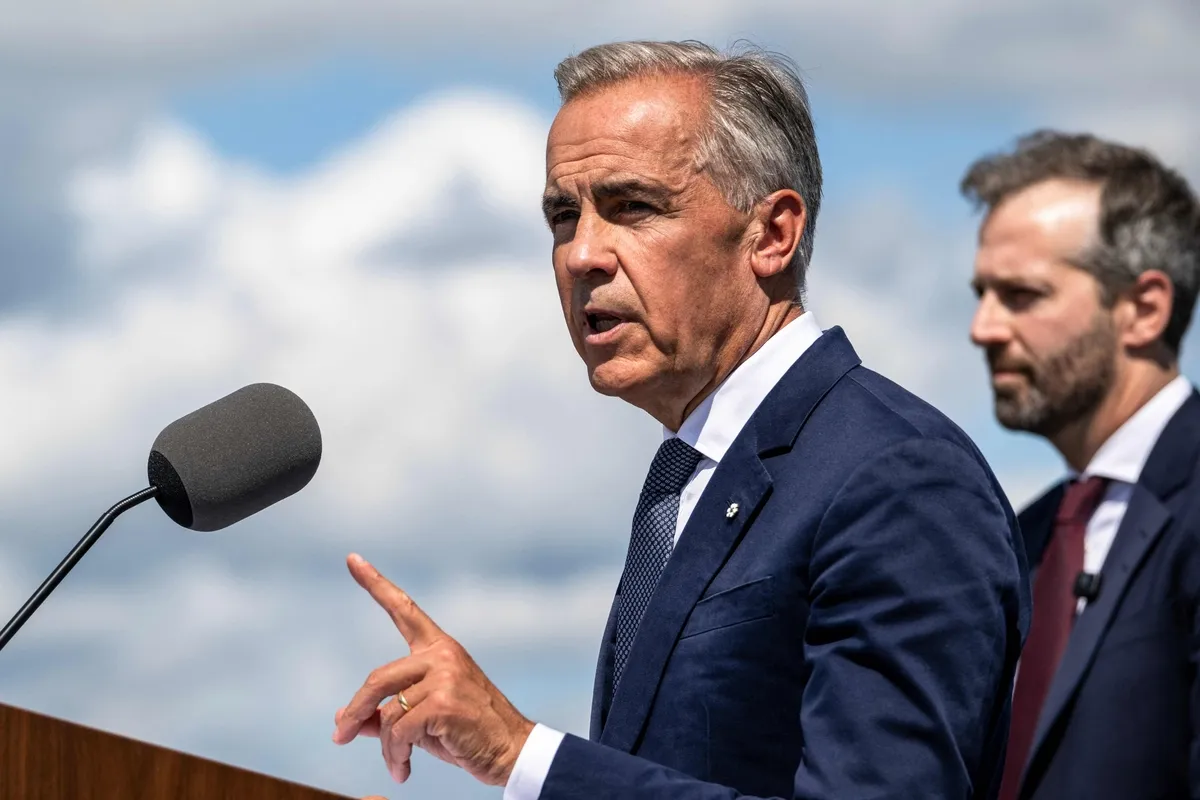
The complete collapse of negotiation channels also accelerated the conflict. The Canadian government withdrew its negotiating team and declared a halt to talks, with the Prime Minister personally characterizing the situation as "an economic war." This effectively formalized the end of the compromise phase through an exit strategy.
The destructive power is particularly significant as it targets a single supply chain that has been intertwined for decades, such as North American automobiles and steel. Given the structure where parts frequently cross borders, the imposition of tariffs directly leads to supply disruptions and soaring costs for U.S. automakers like GM and Ford. It is a situation where both countries are striking each other's vital points, even at the cost of suffering economic losses.
With the United States’ unreasonable trade pressure touching upon the issue of Canada’s 'national sovereignty,' the conflict has crossed the point of no return. As the majority of Canadian politicians and the public view this situation not merely as a trade dispute but as a matter of defending national sovereignty, an all-out confrontation without concessions has become inevitable.