RBC and BMO Agree to Sell $2 Billion... "National Financial Infrastructure Processing 35% of Payments Under U.S. Law" As Moneris, the largest payment service…
RBC and BMO Agree to Sell $2 Billion... "National Financial Infrastructure Processing 35% of Payments Under U.S. Law"
As Moneris, the largest payment service provider most commonly used in everyday consumption settings such as Canadian restaurants and supermarkets, is sold to a U.S. private equity firm, concerns are growing that Canadian citizens' financial consumption data could fall into the hands of foreign capital and jurisdiction.
Canada's two largest commercial banks, the Royal Bank (RBC) and the Bank of Montreal (BMO), reached a surprise agreement on the 10th to sell their entire joint stake in Moneris to Francisco Partners, a San Francisco-based private equity firm. The total transaction is valued at approximately $2 billion, and through this sale, the Royal Bank is expected to realize a massive capital gain of over $1 billion, with the Royal Bank receiving about $475 million after tax and BMO about $600 million.
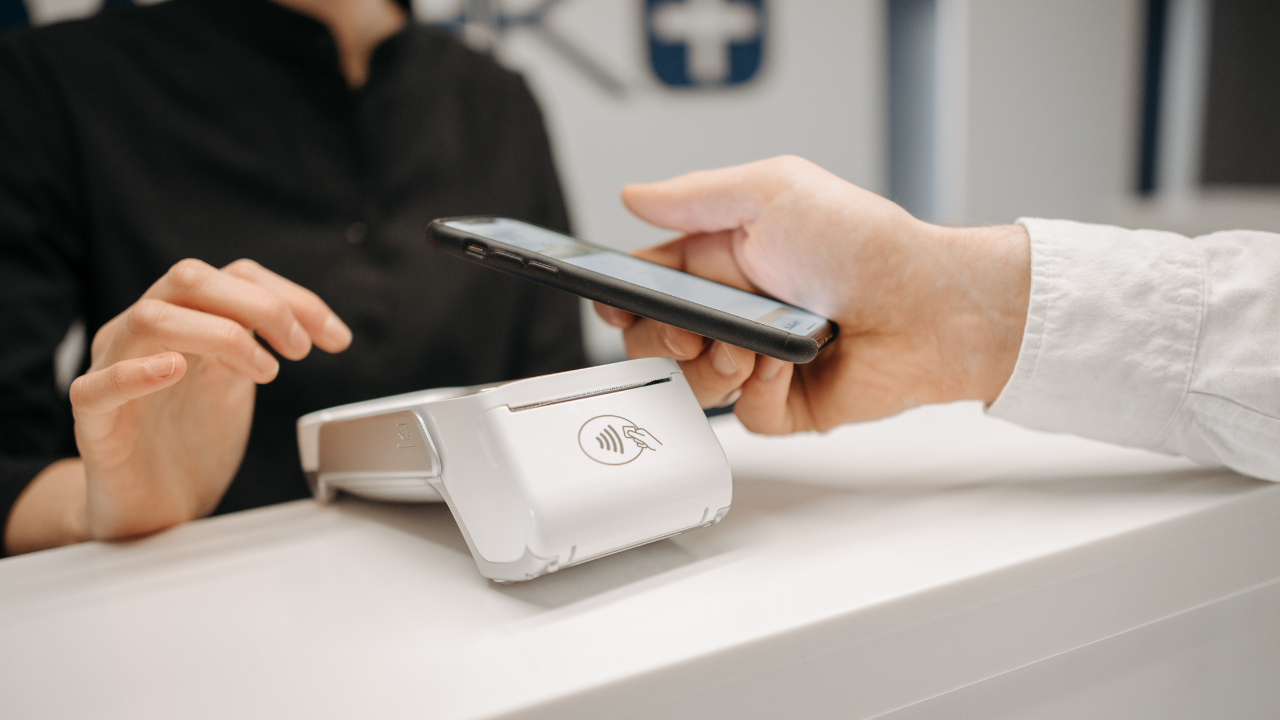
Established in 2000 as a joint venture between two banks, Moneris is a true national core payment infrastructure providing card payment terminals and solutions to over 325,000 merchants across Canada. It handles 35% of all payments in Canada—that is, one in three transactions—and processes over 5 billion transactions annually.
The problem lies in the infringement of ‘digital sovereignty’ and loopholes in personal information management that will arise as management control of the nation’s core payment network is transferred to a U.S. private equity fund. Experts point out that this incident carries fundamental risks that are on a completely different level from simple hacking or data leakage incidents.
Until now, the payment information processed by Moneris has been managed in a closed manner under the strict regulations of Canada's Federal Privacy Policy and Regulations Act (PIPEDA). However, if the operating entity changes to a U.S. company, it will fall under the legal jurisdiction of the U.S. Cloud Act. This opens the possibility that vast amounts of data containing Canadians' consumption patterns and purchasing history could be submitted if requested by the U.S. government or judicial authorities, even if the servers are located within Canada. Furthermore, warnings have been raised that, given the nature of private equity funds aimed at profit generation, payment statistical data could be processed and utilized for commercial purposes.
Experts note that in an environment where card payments have become commonplace, there are virtually no realistic countermeasures available to the average consumer. While the use of cash or prepaid cards is discussed, it is nearly impossible to avoid the card payment network every time in daily life.
Amid mounting criticism that the privacy of citizens is being neglected while large banks reap massive profits from the sale, this sale is awaiting final approval from federal regulatory authorities, including the Federal Trade Commission.
Reporter Bae Hana