A gathering was organized for Korean residents in the Langley area to share various opinions regarding the development of the local community and their living…
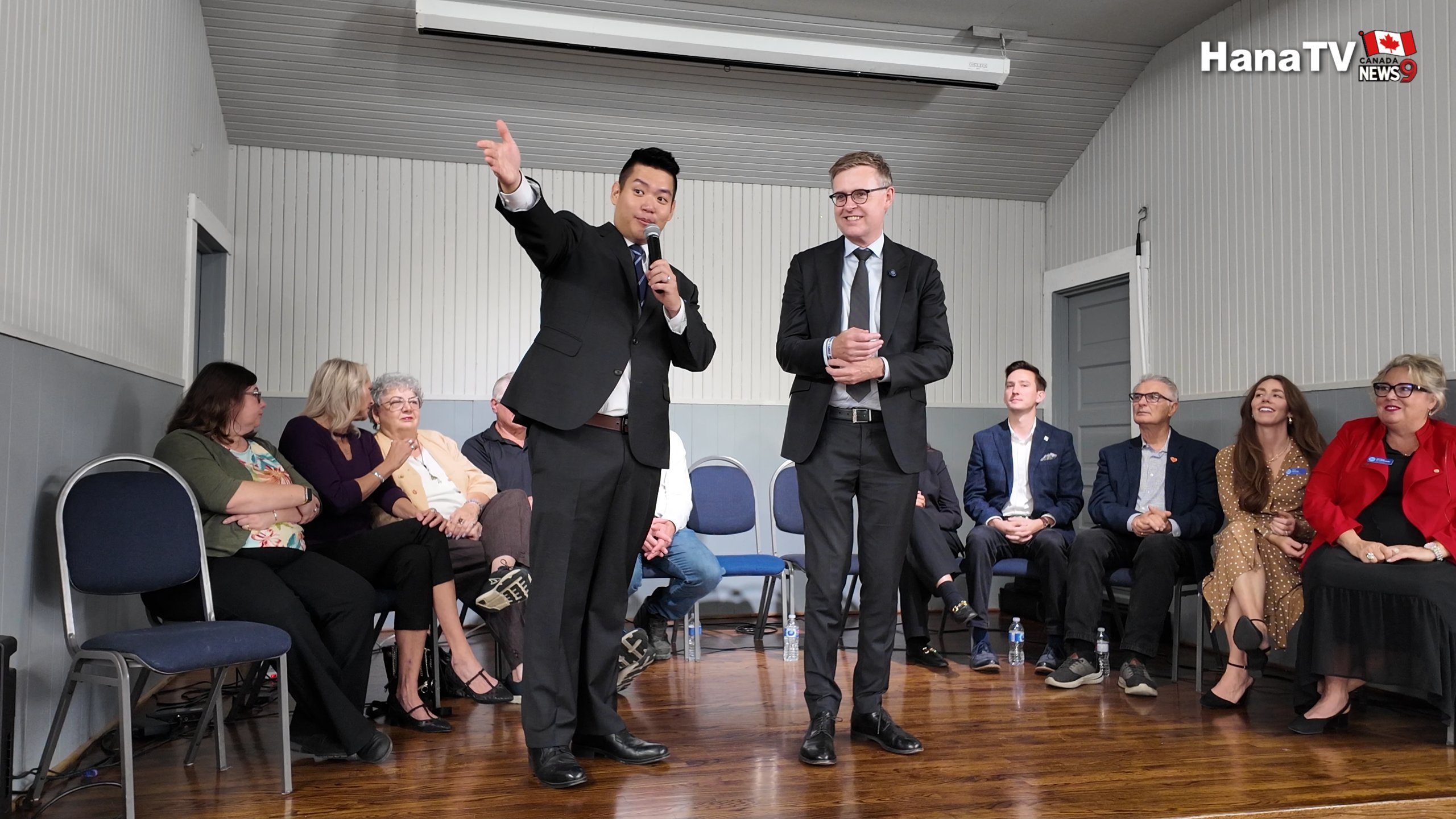
A gathering was organized for Korean residents in the Langley area to share various opinions regarding the development of the local community and their living environment. The event was held with the purpose of bringing politicians and the Korean community together, as current Vancouver Korean Association President Park Kyung-joon is running for Langley Township Councillor. Introduced by Candidate Park, the Langley Township Mayor, councillors, and councillor candidates engaged in an open discussion with the Korean community. During the meeting, various pending issues directly related to residents' daily lives were discussed, ranging from the establishment of a Korean Cultural Center to parks, schools, taxes, and water rates.
One of the topics that received the most attention isConstruction of a Korean Cultural CenterThe representative of the Korean senior community emphasized that Langley has developed significantly compared to when they immigrated to Canada about 40 years ago, and stressed the need for cultural spaces for the growing Korean community.
In response, June Park explained that several candidate sites within Langley Township could be reviewed. Potential locations mentioned included the area near the Willoughby Community Center, the vicinity of 208th Street and 76th Avenue, and the area near the Langley Event Center. In particular, she explained that the area around the Langley Event Center could be a suitable location due to the potential for future transportation infrastructure expansion and the large Korean population residing there.
The lack of parks was also a major concern for residents. One resident pointed out the scarcity of natural parks with trees and shade in Langley. In response, Park introduced a plan to develop a Central Park of approximately 50 acres in the Willoughby area. This park will connect the Langley Event Centre and Smith Athletic Park and is planned to be developed with a focus on nature and greenery rather than athletic facilities. Park announced that it would proceed with this plan within the next two to three years.
Questions regarding sports facilities and schools also followed. A figure skating official explained the current difficulties regarding ice rink usage hours and facility conditions, and Park replied that he would hold further discussions with relevant organizations, taking into account the specific characteristics of each sport, such as figure skating and ringette.
Meanwhile, a teacher asked about facility issues with the old school building and the delays in repairs. In response, Park stated that the management and maintenance of the school building are not the responsibility of the township.Authority of the BC provincial governmentThey explained that it belongs to [the group]. However, they requested state government investment in older schools and stated that they would continue to cooperate at the township level to improve school facilities and playground environments.
Property taxes and water and sewage fees were also concerns for residents. Park stated that Langley Township aims to remain a low-property tax area within Metro Vancouver and plans to implement measures to reduce related costs over the next five years. He also emphasized the need to more clearly communicate the roles and responsibilities of each agency to residents, noting that a significant portion of the property taxes paid by residents is transferred to other entities such as school taxes, Metro Vancouver, and TransLink.
Regarding water bills, measures such as utilizing water meters to identify leaks and water waste were also mentioned. Park explained that through this, they plan to manage water usage and lower costs for residents in the long term.
This gathering is not merely for Korean residents to remain as members of the local community, but,The fact that they have a direct voice in Langley's future and living environment, including cultural spaces, parks, schools, and taxes.It was an occasion that demonstrated this. In particular, as various opinions were presented ranging from the unique needs of the Korean community, such as the Korean Cultural Center, to issues that the entire region must solve together, it showed that the Korean community's participation in the local community is expanding further.
Reporting by Jang Tae-hee, Seo Jun-young, Jang Tae-on
Article = Seo Jun-young